An exposed aggregate driveway is a popular choice across the Gold Coast for homeowners seeking a durable, slip-resistant, and visually appealing surface. This article explains realistic 2025 cost expectations, installation considerations, maintenance best practices, lifespan factors, and how to choose a reputable concreting contractor or concreting company for your project. It includes actionable advice for maintaining the look and function of your driveway in the Gold Coast climate.
What is an exposed aggregate driveway?
An exposed aggregate driveway is a type of concrete driveway where the top layer of cement paste is removed to reveal decorative stones and pebbles (aggregate). The effect can range from subtly textured to highly decorative, depending on the type, size, and colour of the aggregate used. Exposed aggregate is applied by a concreting service during the pour process or by removing surface cement after it sets.
Common aggregate types
Homeowners typically use:
- Natural river pebbles (rounded, varied colours) Crushed granite or quartz (angular, uniform colours) Engineered aggregates (coloured or recycled glass)
Why Gold Coast homeowners choose exposed aggregate
The Gold Coast climate and lifestyle make exposed aggregate attractive for several reasons:
- Slip resistance: Textured surface helps prevent slips when wet—important in a subtropical climate that sees heavy summer rain. Durability: Properly installed exposed aggregate resists wear from vehicles and surf-related sand and salt. Low maintenance appearance: Minor staining and sand blends into the textured finish better than smooth concrete.
2025 cost overview for Gold Coast exposed aggregate driveways
Costs vary by size, aggregate choice, site access, site prep, drainage requirements, and whether you hire a specialist concreting contractor. Below are 2025 gold coast indicative ranges in Australian dollars (AUD) for a standard residential driveway (approximately 40–60 square metres):
Basic exposed aggregate pour: $90–$130 per m². Includes standard aggregate, basic site prep, and broom finish edges. Mid-range finish: $130–$180 per m². Includes higher-quality aggregates, stamping/edge treatment, and better sealing. Premium finish: $180–$260+ per m². Custom aggregates, colour integration, complex cuts, patterns, or large-site remediation.
These prices are illustrative. Specific quotes should include allowances for:
- Concrete thickness (typically 100–150mm for driveways) Reinforcement (mesh or steel for load-bearing driveways) Excavation and removal of old pavement or soil remediation Sub-base materials (compacted roadbase), which are crucial in reactive clay or sandy Gold Coast soils Drainage work, edge restraints and fall grading to manage stormwater
Cost drivers to watch
Key factors that raise or lower cost:
Site access: Tight or steep driveways require more labour and equipment, increasing cost. Soil conditions: Sandy coastal soils may require less stabilization than expansive clay, but both require correct compaction. Aggregate choice: Imported or specialty aggregates add to material costs. Sealing: Professional sealers add upfront cost but reduce long-term maintenance expenses by protecting colour and preventing staining.
Installation process and timeline
A typical exposed aggregate driveway installation by a professional concreting company follows these stages:
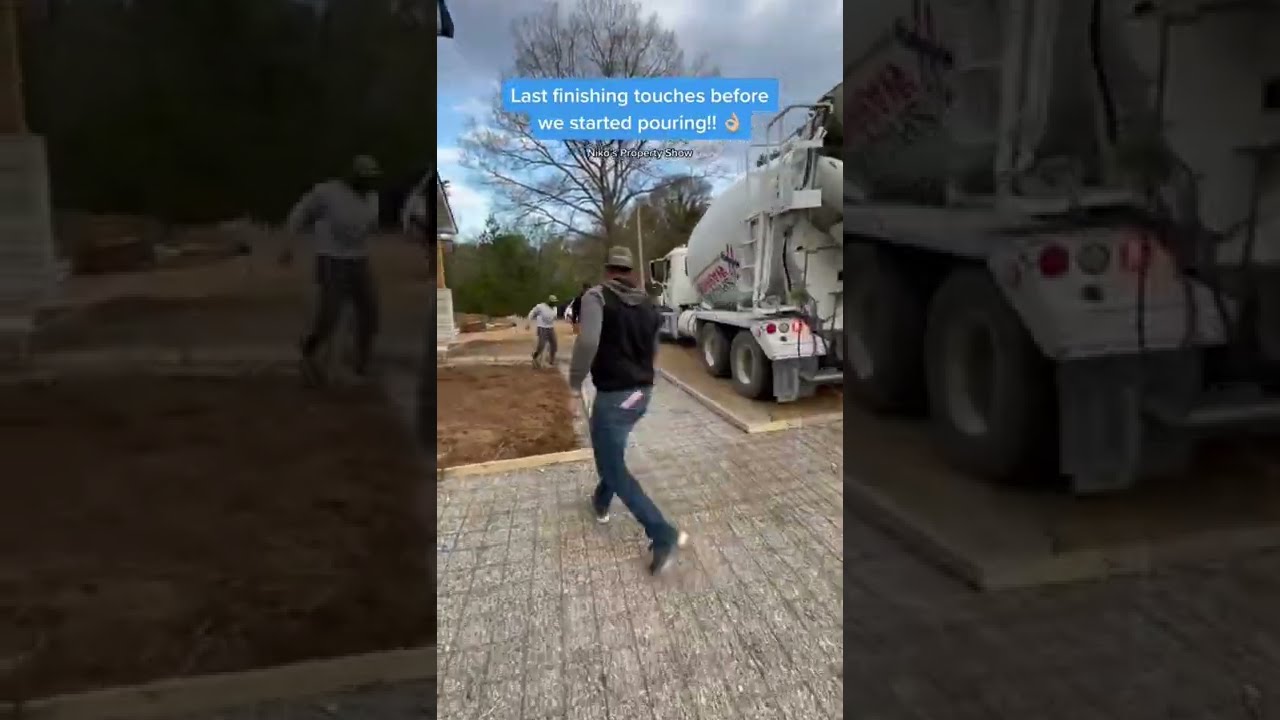
Site inspection and quote: assess access, drainage, soil, and local council requirements. Excavation and sub-base preparation: remove old surface, compact roadbase (typically 100–200mm compacted), install edge forms. Reinforcement and services: place mesh or bars and ensure stormwater or conduits are routed correctly. Pouring and finishing: concrete is placed, levelled, and initial set occurs. Aggregate exposure: either washed off with water and brushes or blasted depending on method; timing is critical. Sealing (recommended): after curing (usually 7–28 days), one or more coats of sealer protect the surface. https://goldcoastconcretingexperts.com.au/contact/Typical timeline: 3–7 days of on-site work plus cure time before heavy vehicle use; allow 7–28 days before applying some sealers or heavy loads, depending on concrete mix and weather.
Maintenance and upkeep for Gold Coast owners
Exposed aggregate driveways are not maintenance-free. Proper upkeep extends lifespan and preserves appearance. Follow this maintenance schedule tailored to Gold Coast conditions:

- Regular cleaning: Hose or pressure-wash annually to remove salt, sand, and organic debris. Use low to moderate pressure (max 1500–2000 psi) to avoid dislodging aggregate. Sealing: Reapply a breathable acrylic or penetrating sealer every 2–4 years based on UV exposure, traffic, and sealer type. In 2025, high-performance water-based sealers are widely used for lower VOCs and better UV stability. Spot treatment: Clean oil or grease stains quickly using a degreaser formulated for concrete; scrub and rinse thoroughly. Weed and joint control: Keep edges and joints free of vegetation; use polymeric sand in joints where appropriate and follow manufacturer instructions. Crack repair: Small hairline cracks can be sealed with a concrete repair caulk; larger structural cracks require evaluation by a concreting contractor.
Actionable tips:

- Use a pH-neutral cleaner for routine washing to avoid etching or striping sealers. Avoid de-icing salts; coastal Gold Coast frost is rare, but any chemical de-icer can damage the sealer and aggregate over time. If using a pressure washer, maintain a 30–45 cm distance and fan nozzle to avoid blasting exposed stones loose.
Sealer types and selection
Choosing the right sealer influences appearance, longevity, and maintenance frequency:
Acrylic sealers (film-forming) enhance colour and gloss but may peel if applied too thickly. Penetrating sealers (silane/siloxane) do not change appearance much but provide deeper protection against moisture and salts. In 2025, many Gold Coast concreting services favour low-VOC, UV-stable hybrid products that combine surface enhancement with deeper protection.
Common problems and repairs
Typical issues and how to address them:
Spalling or stone loss: Caused by freeze-thaw (rare on the Gold Coast), heavy impact, or poor installation. Repairs range from plugging holes with repair mortar to partial panel replacement by a professional.
Discolouration or patchy seal: Caused by uneven sealer application or substrate contamination. Professional re-sealing after proper surface preparation resolves most cases.
Cracking: Hairline cracks are often cosmetic; monitor and seal them. Structural cracks due to poor sub-base or drainage issues require remedial works—improvement of sub-base, installation of control joints, or panel replacement.
Choosing a concreting contractor on the Gold Coast
When engaging a concreting contractor or concreting company, use this checklist to ensure quality and compliance:
- Request written quotes that break down labour, materials, jointing, reinforcement, sub-base and sealer costs. Confirm contractors hold current Queensland QBCC licenses and public liability insurance. Ask for local references and inspect recent local jobs—photos may not show surface compaction or drainage details. Ensure the quote includes site preparation, compaction testing if required, and a clear warranty on workmanship. Discuss access, council verge requirements, and any necessary permits—some Gold Coast localities require vehicle crossing approvals or kerb modifications.
Lifespan and resale considerations
A correctly installed and maintained exposed aggregate driveway can last 20–30 years or more. For Gold Coast properties, proper drainage, adequate sub-base compaction, and regular sealing are the most influential factors. If you plan to sell, note that well-maintained exposed aggregate often adds street appeal and perceived value compared with worn asphalt or cracked plain concrete.
Regulations and environmental trends in 2025
In 2025, local councils across the Gold Coast continue to emphasise stormwater management and erosion control. Increasingly, buyers and councils favour pervious and low-runoff landscaping. While exposed aggregate is not pervious, you can combine it with permeable paving areas, garden beds, and recycled aggregates to meet sustainability goals. Many concreting companies now offer lower-carbon concrete mixes and recycled aggregate options—discuss these choices if sustainability or council requirements are priorities.
Final actionable checklist before you start
Obtain at least three written quotes from licensed concreting contractors with Gold Coast references. Confirm sub-base specification and compaction requirements. Ask for compaction testing if soil is suspect. Decide on aggregate type and sealing approach—request samples or mock-ups. Plan for drainage and vehicle loadings—ensure correct thickness and reinforcement. Schedule maintenance: plan to clean annually and re-seal every 2–4 years depending on sealer and wear.Choosing an experienced concreting service and investing in proper installation and upkeep will ensure your Gold Coast exposed aggregate driveway performs well, looks attractive, and retains value for decades. Contact local licensed contractors to get tailored quotes, sample boards, and a clear maintenance plan for your property in 2025 and beyond.
Gold Coast Concreting Experts
Shop 4/22 Bailey Cres, Southport QLD 4215, Australia
ph. (07) 5230 8851